
Facial palsy (FP) affects approximately 20-30 per 100,000 people in the United Kingdom [1] The NICE guidelines (2023) recommend patients with FP be referred to a facial nerve specialist if there is no improvement in their condition after 3 weeks of treatment, or incomplete recovery after 3 months from onset of symptoms [2].
Facial palsy and resultant aberrant nerve regeneration resulting in synkinesis can present patients with life-long physical symptoms that require specialist healthcare management [3]. The impact of facial palsy could range from long-term facial muscle weakness and flaccidity to facial muscle contracture and synkinesis. Both parameters have an effect on facial muscle function, emotive expression, can cause facial muscle discomfort, and impact non-verbal communication skills, self-esteem, quality of life and self-image [3-6].
As well as the significant impact on physical function, FP can also have a debilitating impact on an individual’s psychosocial wellbeing and quality of life [7]. Changes in facial function and appearance can lead individuals to experience an increase in anxiety, social isolation, low self-esteem, and lower mood, irrespective of symptom severity [4, 7].
There are a variety of treatments available for patients following a facial palsy. Advice and education in acute management and eye care, patient education of their condition to improve understanding of synkinesis, facial neuromuscular retraining (fNMR), chemodenervation with botulinum toxin, static and dynamic surgical procedures as appropriate and psychotherapy as required [8].
Considering the impact FP can have on an individual’s physical and psychological functioning, it is recommended that once the patient is referred to a facial nerve specialist, their care is delivered within an effective multidisciplinary team (MDT) [9]. A cohesive MDT ensures holistic, person-centred, and comprehensive management plans can be developed for the patient. Members of the team can include a consultant surgeon (e.g. plastic surgeon, ENT, Maxillofacial and Oculoplastic) neurologists, radiologists, facial therapists, clinical psychologists, psychotherapists, medical photographers, and staff from relevant charities such as Facial Palsy UK. Facial Therapists can have a background as physiotherapists, occupational therapists or speech and language therapists, recruited to the team to work as a Facial Therapist. This is a post-graduate clinical speciality and new members of the team require relevant postgraduate training as a Facial Therapist to work with this patient group. Further information regarding training available can be accessed via Facial Therapy Specialists International FTSI Foundation Course (facialtherapyspecialists.com)
Fig 1: Professionals involved in MDT approach [10]

An MDT approach serves to reduce the time taken for patients to access specialist treatment and rehabilitation as it avoids ongoing patient referrals to different specialists, repeated history taking, lengthy waiting times on separate hospital waiting lists and improves communication between the professionals involved in the patient’s care.
Multidisciplinary working also offers a collaborative approach to patient care. Patients may be treated by a facial palsy service for many years, and this can involve a variety of treatment decisions e.g. chemodenervation, surgical options. Therefore, involvement of the whole team can help to ensure that patient expectation and expected surgical or treatment outcomes align, and that the safest and most appropriate decisions are made with the patient. Many patients benefit from formal psychological support when making these decisions. Clear surgical triage and planning is required alongside appropriate pre- and post- operative facial therapy, to ensure optimal clinical outcomes.
The pathway of care for each individual patient can vary considerably. MDT management can be tailored to an individualised approach alongside realistic goal setting, thereby offering a variety of options that suit the needs of the individual. The diagram below represents the potential treatment options available.
Fig 2: Management options for FP patients within an MDT [10]

Services should be designed with the service user in mind. Accessibility, availability and holistic care and management being paramount.
Here are two examples of facial palsy MDT’s from the UK.
The Queen Victoria Hospital – East Grinstead
Referrals are accepted from across the UK. Patients attend a psychotherapy screening appointment alongside their multidisciplinary clinic appointment, and are then referred for facial therapy, psychotherapy, ophthalmology, neurophysiology, and biomedical sciences as required. A holistic approach enables patients to have all options available (ongoing facial therapy, chemodenervation, dynamic or static surgery, nerve surgery to reduce pain). Patients remain under the care of the team for facial surgery if required and are discharged once they are equipped with the necessary skills to manage their condition in the long term.
John Radcliffe Hospital – Oxford
Following referral to the Facial Palsy team, the patient attends an initial MDT clinic. During the MDT clinic, patients will meet with a consultant plastic and reconstructive surgeon, consultant oculoplastic surgeon, facial therapist, and clinical psychologist. During this appointment, the team work collaboratively to develop an individualised treatment plan with the patient, which can include a combination of Botox treatment, surgery, facial therapy and/or psychological support.
In both centres, the MDT clinic appointment allows the patient to share the onset of the FP, their treatment and recovery so far and their referral journey to the service.
Fig 3: Pathway of care at Queen Victoria Hospital, East Grinstead.
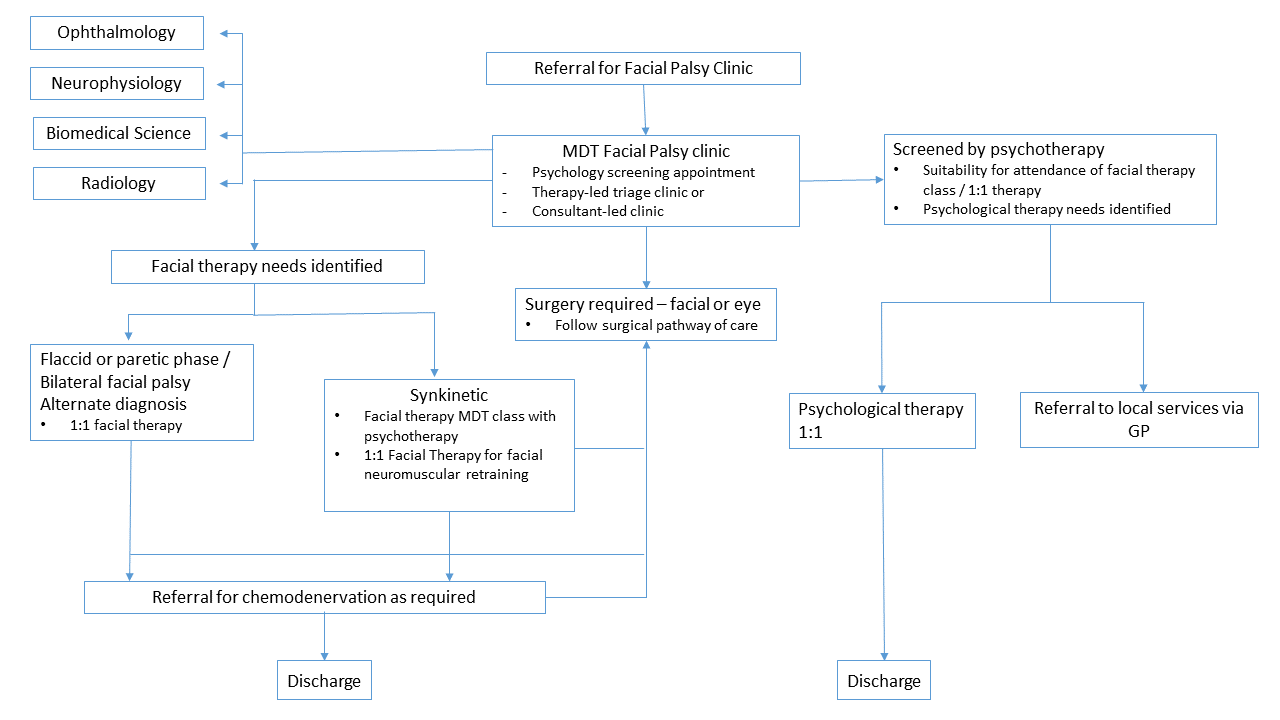
Fig 4: Illustration of multidisciplinary team working at the Oxford Facial Palsy Service, John Radcliffe Hospital.

Authors: Karen Young and Lydia Etheridge
References
- Facial Palsy UK https://www.facialpalsy.org.uk/causesanddiagnoses/bells-palsy/
- National Institute for Health and Care Excellence – Guidelines for management of Bell’s Palsy https://cks.nice.org.uk/topics/bells-palsy/management/
- Azizzadeh B, Nduka C. Management of Post-Facial Paralysis Synkinesis. Elsevier; ; New York: : 2021
- Norris, J.H., Longmire, N. M., Kilcoyne, S., Johnson, D., Fitzpatrick, R., & Klassen, A. F. Exploring patient experience of facial nerve palsy to inform the development of a PROM. Plastic and Reconstructive Surgery Global Open, 20197 ;(1), e2072. https://doi.org/10.1097/GOX.0000000000002072
- Krane, N.A., Loyo, M. How Best to Manage Facial Synkinesis? Current Otorhinolaryngology Reports, 2018; 6, pp. 171–181. https://doi.org/10.1007/s40136-018-0200-x.
- Wernick Robinson, M., Baiungo, J. Facial rehabilitation. Evaluation and treatment strategies for the patient with facial Palsy. Otolaryngology Clinics of North America 2018; 51, pp. 1151–1167. https://doi.org/10.1016/j.otc.2018.07.011
- Hotton, M. Bogart, K. Briegel, W. Davies, L. Hamlet, C. Johnson, K. Jordan, E. Macqueen, R. Robert, R. Siemann, I. Recommendations for Supporting the Psychological Well-being of Children and Adults with Facial Palsy. 2021; Facial Palsy UK – Consensus Document Recommendations for supporting the psychological wellbeing of children and adults with facial palsy
- Neville, C et al (2023) Consensus among international therapy experts for the management of adults with unilateral facial palsy: a two-stage nominal group and Delphi study https://doi.org/10.1089/fpsam.2023.0101
- Butler, D.P., Grobbelaar, A.O. (2017) Facial palsy: What can the multidisciplinary team do? Journal of Multidisciplinary. Healthcare, 10, 377–381
- Neville, C (2024) Diagram of MDT treatment approaches reproduced with author’s permission